
Understanding the Cost of Injection Molding and Key Factors That Influence Pricing
Injection molding is a popular manufacturing process for producing plastic parts in large volumes. It offers precision, repeatability, and efficiency, but understanding the costs involved can be challenging. Many factors influence the price of injection molding, from the initial tooling to the choice of materials and production volume. This article breaks down the key elements that impact injection molding costs, helping you make informed decisions for your project.
Tooling and Mold Design Costs
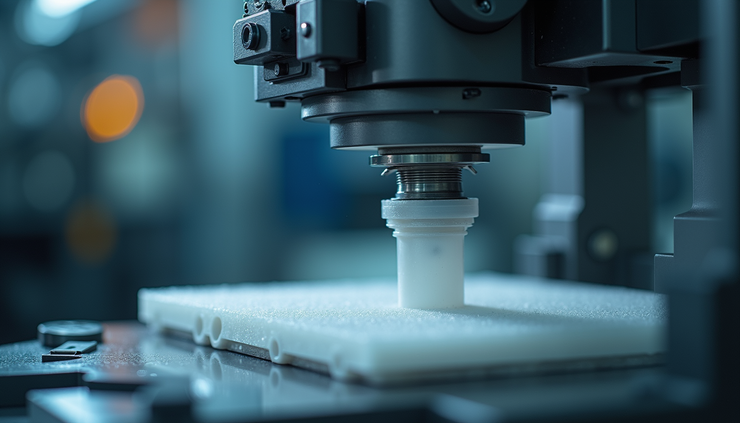
The largest upfront cost in injection molding comes from tooling and mold design. Creating a mold requires precision engineering and durable materials to withstand repeated use. The price depends on several factors:
Complexity of the mold: Simple molds with one cavity cost less than multi-cavity molds that produce several parts per cycle.
Number of cavities: More cavities increase the mold size and complexity, raising costs but reducing per-part price in high-volume runs.
Material of the mold: Steel molds last longer but cost more than aluminum molds, which are suitable for lower volume or prototype runs.
Design features: Complex shapes, undercuts, or intricate details require advanced mold designs, increasing tooling expenses.
Tooling costs can range from a few thousand dollars for simple molds to over $100,000 for large, multi-cavity steel molds. This investment is critical because it directly affects production efficiency and part quality.
Material Selection
The type of plastic used in injection molding significantly affects the overall cost. Different materials vary in price, availability, and processing requirements. Common plastics include:
ABS (Acrylonitrile Butadiene Styrene): Affordable and easy to mold, ABS is widely used for consumer products.
Polypropylene (PP): Known for chemical resistance and flexibility, PP is cost-effective for many applications.
Nylon (Polyamide): Offers strength and durability but costs more due to processing complexity.
Polycarbonate (PC): High-performance plastic with excellent impact resistance, priced higher than ABS or PP.
Material choice also impacts cycle time and mold wear. For example, nylon absorbs moisture and requires drying before molding, adding to processing time and cost. Selecting the right material balances performance needs with budget constraints.
Production Volume
Production volume plays a crucial role in determining the cost per part. Since tooling is a fixed upfront cost, spreading it over a larger number of parts reduces the unit price. Consider these points:
Low volume runs (hundreds to a few thousand parts) have higher per-unit costs due to tooling amortization.
Medium volume runs (tens of thousands) benefit from economies of scale, lowering the cost per part.
High volume runs (hundreds of thousands or more) maximize cost efficiency, making injection molding very competitive.
For example, a mold costing $50,000 will add $50 to the cost of each part if only 1,000 parts are produced, but just $0.50 per part if 100,000 parts are made. Planning production volume carefully helps optimize overall costs.
Part Design Complexity
The complexity of the part design affects manufacturing difficulty and cost. Features that increase complexity include:
Tight tolerances: Parts requiring precise dimensions need more careful mold design and quality control.
Undercuts: These require side actions or complex mold mechanisms, increasing tooling and cycle time.
Thin walls: Thin sections can cause molding defects and require slower cycle times or special materials.
Surface finishes: Textured or polished surfaces add to mold preparation time and cost.
Simplifying part design where possible reduces tooling complexity and speeds up production, lowering costs without sacrificing functionality.
Cycle Time and Production Efficiency
Cycle time is the duration to complete one molding cycle, including injection, cooling, and ejection. Shorter cycle times mean more parts produced per hour, reducing labor and machine costs per unit. Factors influencing cycle time include:
Material cooling rate: Some plastics cool faster, speeding up cycles.
Part thickness: Thicker parts take longer to cool.
Mold design: Efficient cooling channels and ejection systems improve cycle times.
Machine capability: Modern machines with faster injection speeds and automation reduce cycle times.
Optimizing cycle time improves production efficiency and lowers the overall cost of injection molding.
Secondary Operations
After molding, parts often require additional processes that add to the final cost. These secondary operations include:
Painting or coating: Adds color or protective layers but requires extra labor and materials.
Assembly: Combining multiple molded parts or adding inserts increases handling time.
Inserts: Metal or other components placed inside the mold before injection add complexity.
Finishing: Trimming, deburring, or polishing improves appearance but adds steps.
Each secondary operation increases lead time and cost, so it’s important to plan these carefully and consider integrating them into the molding process when possible.
Supply Chain and Logistics
Reliable suppliers and efficient logistics reduce delays and hidden costs. Considerations include:
Material availability: Consistent supply avoids production stoppages.
Lead times: Shorter lead times speed up project completion.
Shipping costs: Proximity to manufacturing and distribution centers lowers transportation expenses.
Inventory management: Proper stock levels prevent rush orders and extra fees.
Working with trusted suppliers and planning logistics carefully ensures smooth production and cost control.


Comments